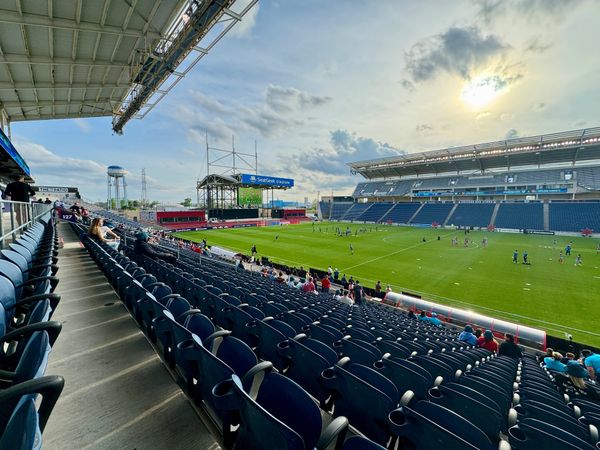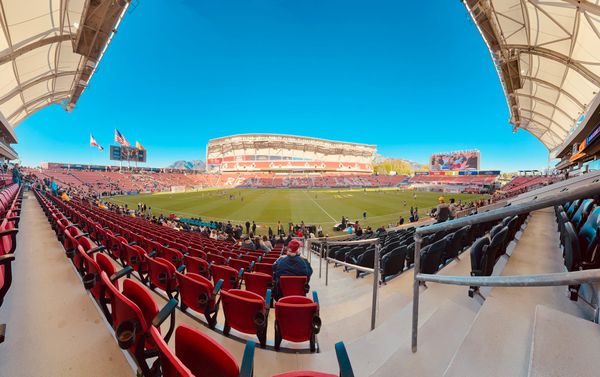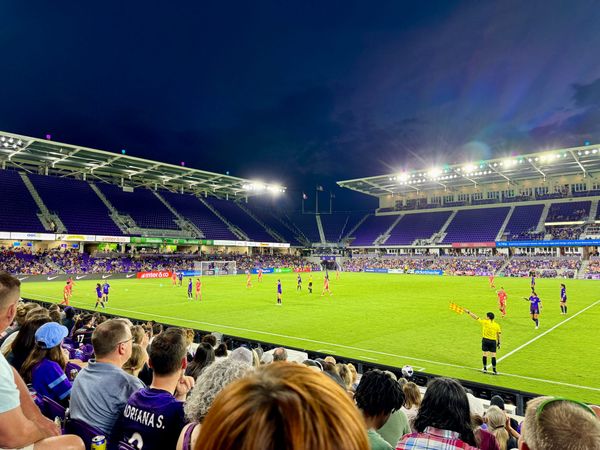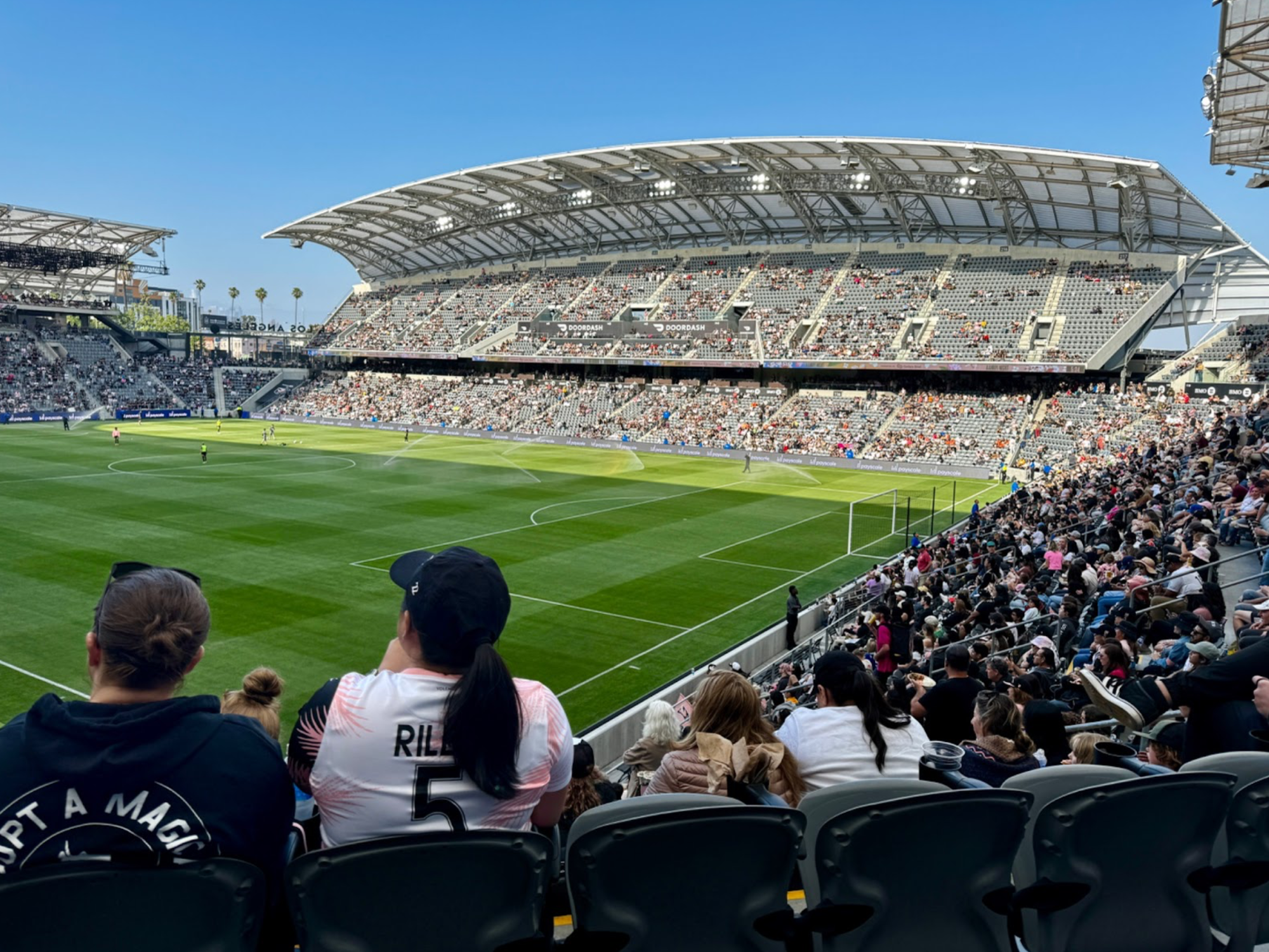
We took lots of notes as we traveled to games at every NWSL venue this past season, jotting ideas down whenever we spotted something especially good. Previous chapters went deep on each individual stadium and the things we liked and disliked at those locations.
What follows is a list of all the very best things we saw across the league, things that could hopefully be replicated at other stadiums.
Consider it a wish list for future NWSL match day experiences far and wide.
Pre-game ideas
Seating charts should have sun, shade, and rain coverage information.
Many times we had to guess about sun position when buying tickets at an unknown venue because they don’t always tell you which way north is on the seating map. It’s what drove our initial idea to write this guidebook, as we didn’t want anyone to fly somewhere only to bake in the sun while looking longingly at shaded seats on the other side of the pitch that they wished someone told them to buy instead.
If teams can’t give sun/rain coverage information, at least show on the seating map where TV cameras are placed, so fans can judge where to sit in the stadium based on watching NWSL games on TV. (There are two websites you should know about that might come in handy here: ShadedSeats.com for sun/shade information and AViewFromMySeat.com for looking at photos taken from specific locations at many venues around the world. But it would be nice if the ticket sales websites gave people pointers when picking single-game tickets in a new-to-them stadium.)
The current perfect-sized NWSL stadium is about 10,000 to 15,000 seats.
We had our best experiences in the smaller stadiums, but not the ones so small they felt like a rinky-dink operation. On the flip side, going to a match in an arena with 75,000-plus seats for just 5,000 fans in attendance was strange and the furthest thing from feeling cozy. A couple of teams already bring in close to 20,000 fans each week regularly, but places with 10,000 to 15,000 seats currently seem like the sweet spot for NWSL stadiums in most cities.
Teams: send a gameday email to fans.
As we made our way from game to game, about half the venues we bought tickets for sent a detailed email the day before or the morning of a match with information on clear-bag policies, any special event info, and indications of when the gates would open. It was helpful to get all the important information in one spot while traveling, and we welcomed them as a rare useful email.
When gates open was wildly different at every venue (the same venue might even have different weekday/weekend policies); some venues have storage lockers, some don’t, and every clear-bag policy seemed unique. If you’re lucky, it’s a special event night and sometimes there’s a free gift or deal, and it would be nice if venues let fans know all about this via email before each match.
It doesn’t take a ton of work to compile necessary things fans need to know, so we were surprised when about half the teams didn’t do it, requiring us to check the team and stadium websites to get our questions answered before making our way to a game.
Have cheap public transit (ideally, trains) that picks up and drops off at or near the stadium.
Seattle, Houston, Angel City (L.A.), San Diego, Gotham (Harrison, New Jersey), and Portland have train stations within a short walk to the stadium. Portland even went the extra mile to give every Thorns ticket holder a free pass on any of the city’s public transit for three hours before and after a game, which is an incredible game day perk.
Going to any sporting event in the U.S. is often a hassle when tens of thousands of people drive a car to the same location, have to pay for parking, and then all leave en masse after the game. In California, where we grew up, it’s common to sit in stop-and-go traffic for 30 to 60 minutes after any sporting event. The times we got to use public transit were always a welcome alternative to sitting in endless lines of cars. Stadiums like San Diego even brought out several trains when matches ended so fans could quickly find a seat and be on their way.
Give kids something to do.
Soccer is a great sport that’s fun to watch, but we’re grown adults who realize sitting for two hours might be a bit much to ask from children who prefer to be moving around. About half the stadiums had something for kids to do before and during games, like face painting or small soccer goals set up for practice shots. The best stadium for kids was probably Louisville, where there was a small field dedicated to futsal games out front that were played an hour before the game all the way through the actual game. Portland’s stadium might be the worst for small kids. There’s no fan zone or play structures, so you pretty much just grab food, walk to your seats, and sit there for a couple hours.
Representation matters.
Racing Louisville posts huge photos of every player in their starting 11 on the wall of the main stadium walkway an hour before kickoff. Angel City puts giant posters of their star players around the stadium that you can stand next to and take photos of. At both venues, it was cool to see poster-sized portraits of players and we imagine it could have a big impact on young fans who don’t normally get to see giant photos of women in pro sports.
Also, there should be more than just 2 teams out of 14 with women as head coaches. We also like seeing teams with ownership groups that include women and former players alike. It’s great to see women in head offices running operations too, even though most NWSL teams are still majority owned and run by men.
In-game ideas
Get rid of plastic bottles at every stadium.
It might sound nearly impossible, since only 1 stadium out of 14 does it currently, but it’s not that difficult to pull off. For most venues they’d need to:
- Sell water in aluminum bottles instead of plastic
- Sell refillable, reusable plastic or paper cups for soda at refill stations instead of 20-ounce bottles
Do these two things and you’ll cut most of the plastic waste. Alcohol comes in cans or glass bottles (both easily recycled), or gets served in cups that can be washed and reused so it’s possible to skip disposable plastics entirely. Doing this would cut down tremendously on waste.
Every NWSL game takes place in a stadium with anywhere from 5,000 to 20,000 fans who likely go through a couple bottles of soda or water at each game and all that plastic quickly adds up to tons of garbage in our landfills created every week that we could avoid. Kudos to Kansas City for committing to this in the 2024 season, and because they built their own park, they got to make their own rules and stick to them. Gotham games sell soda in refillable, reusable cups, but they still sell water in plastic bottles to fans. Portland is testing out reusable plastic cups in certain sections, but we hope other stadiums follow Kansas City’s lead and eliminate waste.
Have a real brick-and-mortar team store.
Most stadiums had a real store attached to a stadium along with mini-stores sprinkled throughout in temporary structures. For the teams that don’t have a real store in their stadium, it feels a tad disrespectful to the team and the fanbase. Fans want to spend hundreds of dollars on cool shirts and jerseys and hats all year, so give them a permanent place to do it and your team will be rewarded. Frankly, it was off-putting whenever we attended a game and saw a closed shop only selling MLS men’s gear inside.
Build more women’s restrooms.
Of all our 14 stadium trips, only Utah and Louisville could handle thousands of fans with enough facilities for everyone without long lines at halftime. We get it — for the past 100 years sports stadiums have had a majority of men showing up to watch sports so the men’s rooms are usually ample with fewer stalls/options for women. But it’s a bummer to see long lines of women at women’s pro sports events in 2025. Women attending women’s matches should be expected, and stadiums should prepare for it by expanding the women’s side and making plenty available for all.
At the heart of this is a fairness issue. Someone using the men’s room at halftime can get into and out of it within a couple minutes at most arenas, but on the women’s side, it can take most of the entire half spent standing in lines. That’s time wasted that could be spent getting food and drinks as well, so stadiums are losing money because of this.
Localize food options at each stadium.
Everyone’s been to a sports stadium before that only sold basic hot dogs and burgers. These days, fans pay a lot of money for tickets and they deserve to be impressed by your arena’s food. Give fans a unique experience they can’t get anywhere else in the country by selling local delicacies. Surprise visitors with the foods your region is famous for. Also, make sure it’s really good and pay attention to reviews from customers. Make a day at a game feel like it’s worth $25 for an entree and drink because you can’t get that kind of food at any other place. Houston’s stadium was head and shoulders above the rest in this regard, offering dishes and cuisines we saw nowhere else on our entire tour.
Also, while we’re talking about food, we have no idea why it was so rare to see scoops of real ice cream sold at NWSL stadiums. Every single venue did sell Dippin’ Dots, but it’s not exactly like real ice cream. A couple venues sold soft-serve, and maybe three more had local ice cream stores serving up scoops on cones, but the rest didn’t, and it was kind of strange (maybe it’s a food safety issue?).
Advertise a fan tip line in your stadium that anyone can call or text if there’s a problem.
About half of the teams already do this, but if there’s an obnoxious, drunken loudmouth in your section hurling slurs or saying sketchy stuff about the players, it’s disruptive to everyone in your section. You should be able to tell staff from your seat quickly and anonymously and they should be able to act upon the reports.
Support your supporters!
Every team has a supporters zone behind one of the goals with a sizable fan club, which is great to see. But the best teams are those that offer supporters heavily discounted tickets. For every $10 standing-only supporter ticket they sell, the whole stadium gets to enjoy chants and songs from a supporters group that makes every $50 comfortable seat a little bit more enjoyable.
We’ve also noticed most supporters groups have band instruments and megaphones, but we were impressed when Bay FC had an official drumline corps that played music before, after, and during games. There’s something truly special about hearing a dozen drummers playing together. It sounds incredible during the starting 11 roster announcements and now we wish every team had one too.
Be welcoming in a positive way anywhere you can.
Have fan zones outside of ticketed areas before and after games where people can interact with sponsors and supporter groups and kids get some activities to do before matches. Have accommodations for nursing moms as well as a quiet refuge for fans with sensory needs. Treat people fairly and treat them well even in your stadium’s security lines.
Post-game ideas
Listen to fans, keep the conversations going.
In our tour of 14 different stadiums, we bought our tickets electronically for every game, but only about half of the teams interacted with us before and after games via email. We liked filling out post-game surveys and letting clubs know how they did, and we got a few responses from teams when we explained that our game was part of a nationwide tour.
On the flip side, we had account managers who hounded us with phone calls for weeks, trying to sell us season-ticket packages even though our home address was halfway across the country and we only bought tickets to one game (slow your roll, Bay FC and Orlando).
Let people filter out of games slowly.
Every stadium was different, but we’ve had experiences of being at a match where ushers shooed everyone out of their seats soon after the final whistle blew. One venue wouldn’t let anyone down near the player benches where autographs were being signed unless you had a ticket in that specific section.
The NWSL thrives on fandom and it’s nice when teams do a lap of the stadium post-game and sign things for kids in the lower rows. The Washington Spirit had a well-organized system in D.C. where post-game there was a designated section to get things signed by players. Ushers would take things from fans then hand them to players on the field to sign and return them. In Houston, they kept club areas open for an hour after games and encouraged fans to linger. In Louisville, they advertise post-match discounted beers at one of the stadium’s bars and one of the Racing players shows up to hobnob with everyone, and we thought all these things were pretty great.
Part of making fans feel welcome in your stadium is not pushing them out the door right after a match.
Expand the league into 2nd-tier cities with existing soccer fanbases.
The Portland Thorns wrote the blueprint on how to launch a highly successful women’s team in a town with relatively few pro sports — but in a city with decades of existing soccer fandom to draw upon. The same thing could happen if the NWSL expanded into more cities like Austin, Texas, and Columbus, Ohio, where sizable franchises and soccer fanbases already exist. Atlanta, Georgia, is another good candidate (though Atlanta has existing pro football, baseball, and basketball teams).
All three cities have successful MLS soccer franchises and good women’s soccer programs at area universities and it’s likely fans there would enjoy a new NWSL team. Plus, they already have great venues where soccer is played so they can be shared. We need more NWSL teams in all parts of America (not just the coasts), especially in cities that don’t have pro sports teams, giving new teams the best chance at gaining a large fanbase.