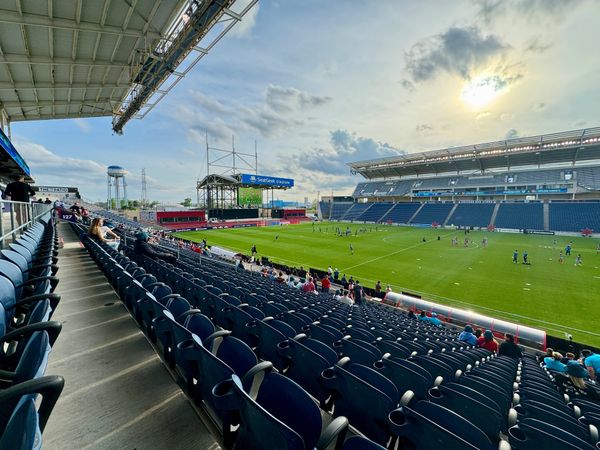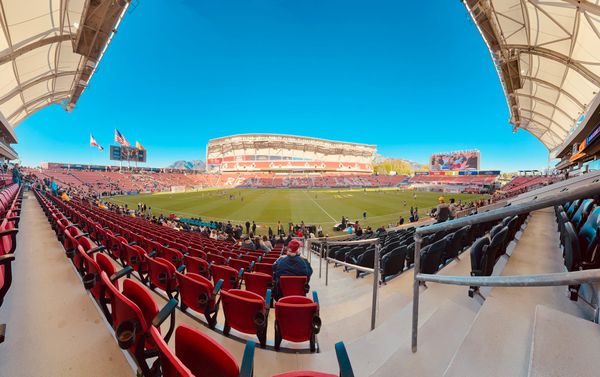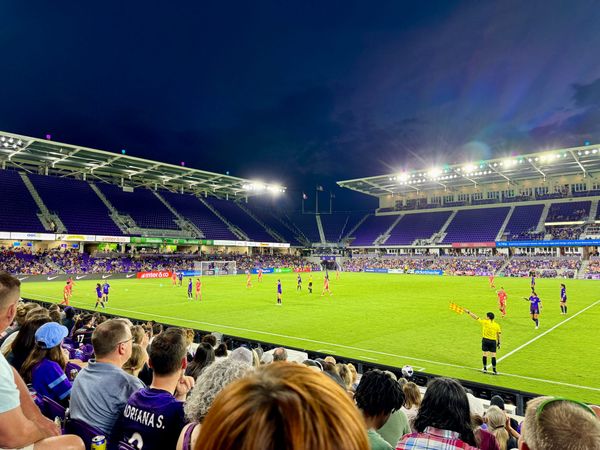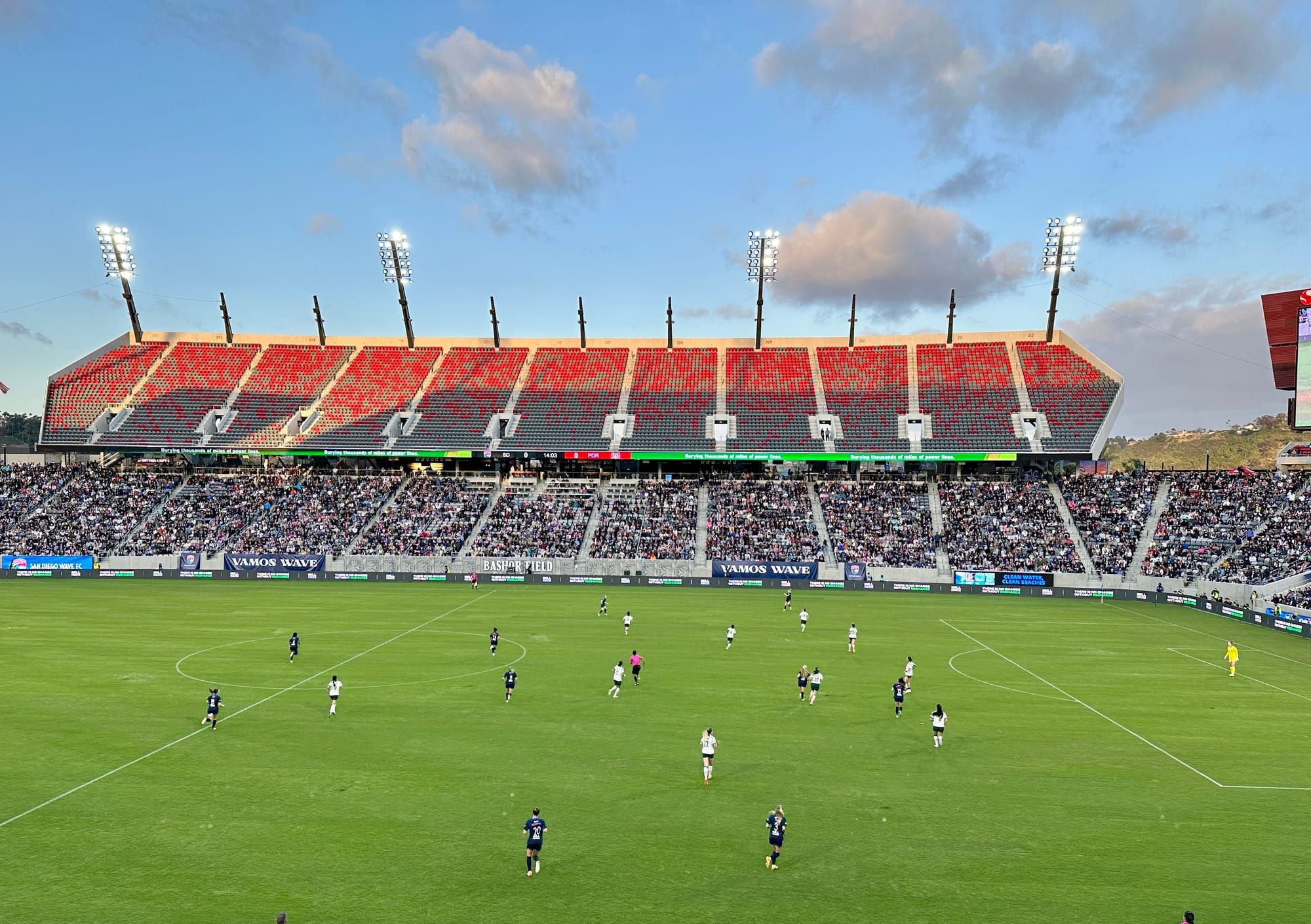
Snapdragon Stadium recently completed its second season as the home for the San Diego Wave, and was built by San Diego State University for its Aztecs football team. In addition to the Wave and Aztecs, it’s also home to a professional rugby squad as well as The San Diego FC, a MLS men’s soccer team launching its inaugural season for 2025.
Of all the NWSL cities you could visit to catch a match, San Diego might be the easiest place to fly out and spend a weekend exploring the region while relaxing around town. Let’s dive into the best ways to enjoy a Wave game at Snapdragon Stadium and your visit to San Diego.
Stadium information
Snapdragon Stadium has a modern design with plenty of space to move around and tons of concession options inside. It has a maximum capacity of 35,000, with most Wave games seeing an average of 15,000 to 20,000 fans in the stands.
San Diego is a fantastic place to spend a vacation and is packed with things to see and do.
San Diego is a popular vacation destination and the venue always seems to have a party-like atmosphere. The stadium is a couple miles outside of densely populated areas, so there’s ample space for large parking lots with plenty of tailgating and fan activities before games.
Being a modern stadium, it offers easy entry from multiple gates that surround the pitch. There’s a large club level with specialty food and bars, a couple dozen high-end suites, and spacious seating throughout. It’s also worth mentioning there’s a trolley stop in the parking lot that gives this stadium an easy public transit option.
Where to sit
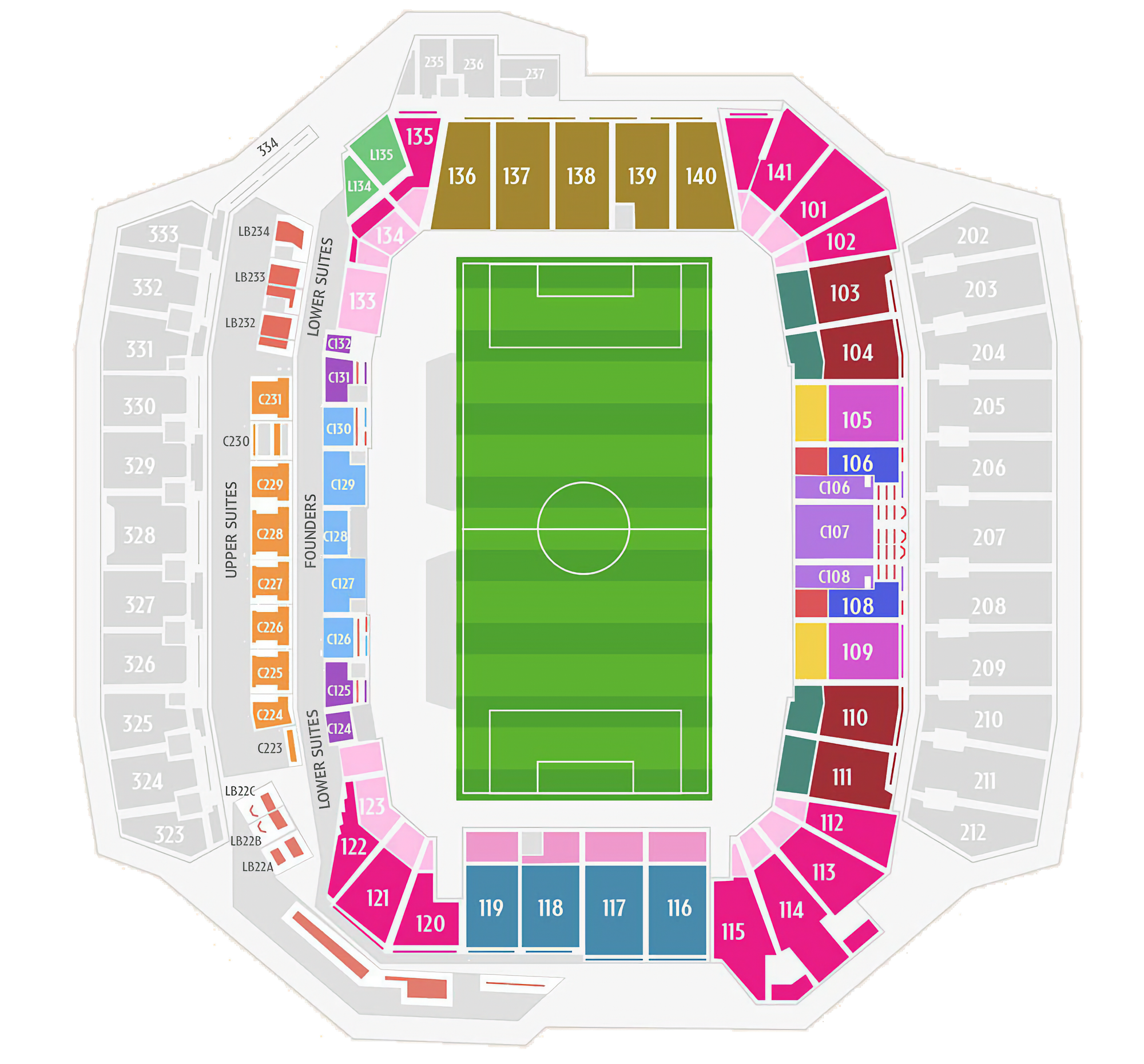
San Diego is generally a warm, sunny place almost year-round, but the stadium doesn’t offer much shade or canopy coverage from the elements. Midday games are usually hot and sunny, though we found relief in the higher rows of sections C223 to C231, and many of the seats in those sections come with club access so you can take a break inside with air conditioning when you need it. If you’re attending a match that kicks off between noon and sunset, be sure to bring plenty of sunblock and drink lots of water, and if you can, look for tickets that include club access. One of the only things that feels lacking at this venue is shade to give fans relief from the unrelenting heat.
During evening games, the western side of the stadium is well-shaded by the venue itself, and everything on the left side of the seating map graphic will give you a great vantage point. The seats on the eastern side, primarily sections 101 to 114, will have the sun directly shining in your eyes until it finally dips below the horizon, which is usually around halftime at most 7 p.m. midsummer matches.
There is plenty of ADA-friendly seating at the top of most sections with space set aside for companion seating as well. There are also several elevators around the park to make moving between levels easier.
Around section 138, behind the goal, you’ll find a large, boisterous supporters section cheering and chanting throughout matches.
- Midday games are hot and exposed — bring sunblock and look for tickets with club access for A/C relief
- Higher rows in sections C223–C231 offer the best shade during daytime matches
- Evening games: western side sections are well-shaded — eastern sections 101–114 get direct sun until sunset
- ADA seating with companion spots and elevators available at the top of most sections
- Supporters section is behind the goal around section 138 — loud and boisterous all match
What to eat and drink
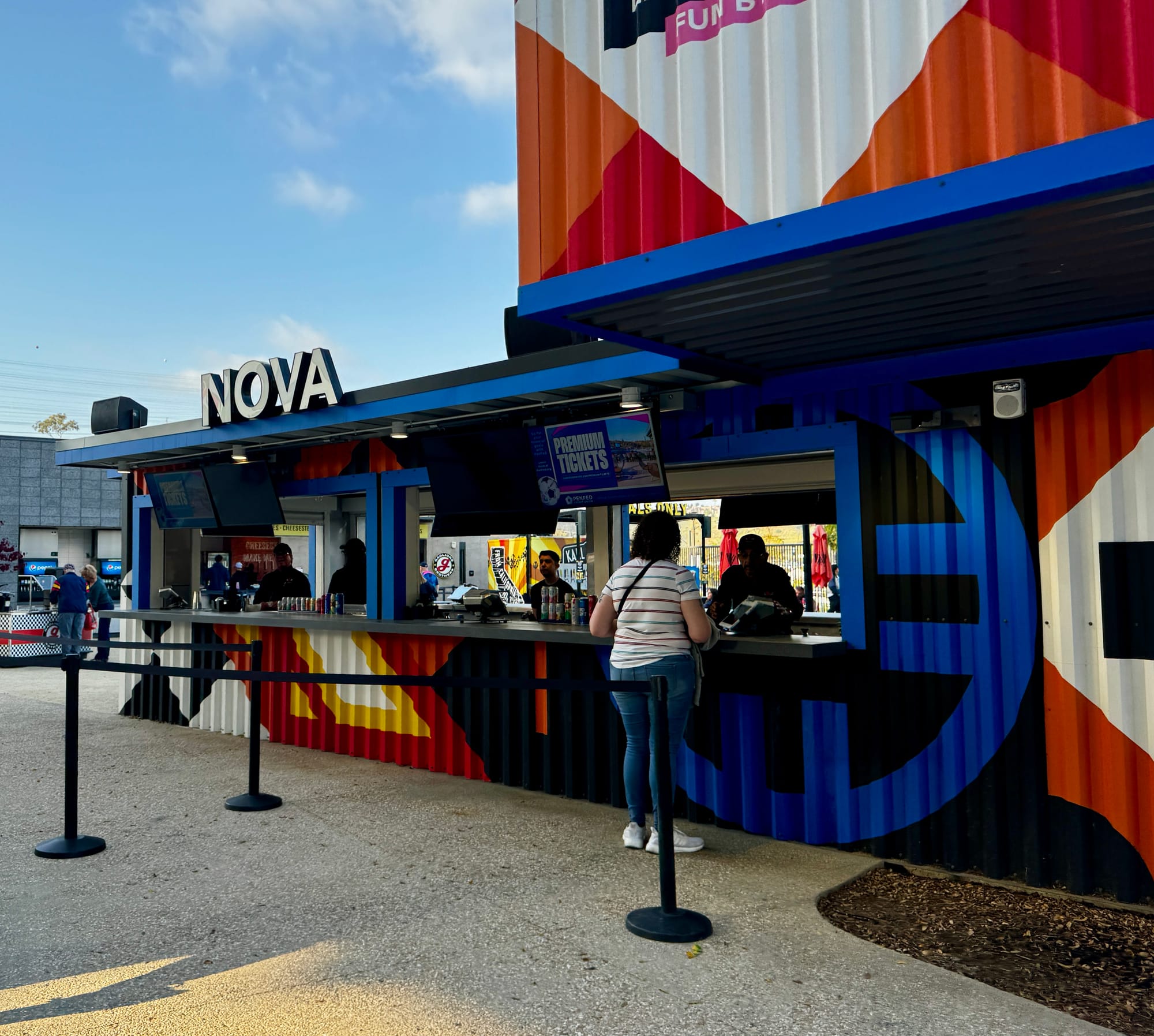
Snapdragon has a fun atmosphere with half a dozen dedicated bars serving beer, wine, and mixed drinks. There are ample options for stadium food along with a few self-service markets to quickly get snacks and beverages. The quality of food is high and there’s a good selection, with several nods to local cuisine. Lines move quickly before matches, but during halftime food stands are usually slammed and will take longer.
There are local food outlets like Top Chef star Richard Blais’s spot, which serves fried chicken sandwiches, as well as stands from local taco chains and BBQ joints. There are also places with traditional stadium fare like pizza and burgers. We’ve attended several matches over the years at Snapdragon and always enjoyed the food and drink options. About the only downside is that prices seemed a tad higher than most other NWSL venues, for example, a single can of domestic beer cost $15 or more at the last game we attended.
One unique thing we love about Snapdragon is the large wooden picnic tables scattered around public areas of the stadium, giving you, your family, and your friends a place to sit, eat, and chill before a game or during halftime. Most NWSL stadiums don’t offer places to sit to eat to make sure people don’t clog hallways and instead go back to their seats, but it was refreshing to see places to hang around and chill out at Snapdragon.
Many stadiums are trying to reduce their reliance on single-use plastic bottles that end up in the trash, so it was good to see that concession stands here offered a refillable cup instead of a 20-ounce plastic soda bottle. But oddly, they charged $2 more for a cup rather than a plastic bottle. It should be the other way, letting people save a couple bucks by reducing their overall waste. On the plus side, the stadium didn’t sell water in plastic bottles either, but instead in aluminum bottle-shaped-cans, so that was nice to see.
- Local taco chains and BBQ joints alongside traditional stadium fare
- Large wooden picnic tables scattered around the concourse — rare at any NWSL venue
- Prices run higher than most NWSL venues — a domestic beer can hit $15 or more
- Beat the halftime rush — lines at food stands get slammed quickly
Team merchandise, restrooms, and pre-game activities
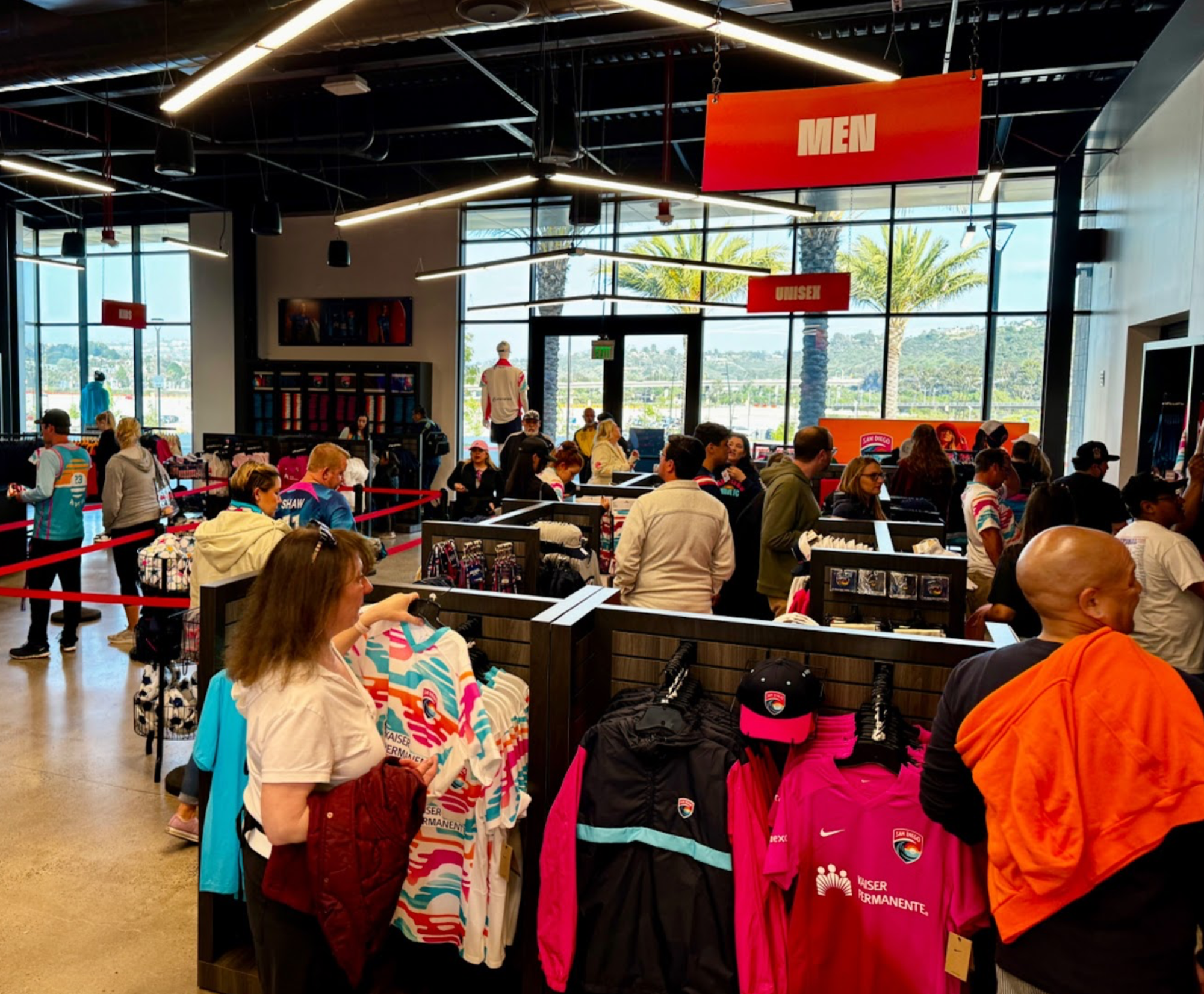
The stadium has a large brick-and-mortar store located on the eastern side of the pitch and it’s loaded with a wide variety of San Diego Wave FC gear on game days. Space inside the store is a bit tight and the fans can really crowd inside, so unless you don’t mind waiting in lines before entering and on the way out to pay for items, it’s best to visit before a game starts or well after a match ends.
Because it’s a new stadium, restrooms are plentiful and roomy with good privacy. At halftime, we did unfortunately see long lines outside the women’s restrooms, but they eventually died down by the midpoint of the half.
Pre-game, in-game, and post-game vibes
As mentioned, Snapdragon is one of a few stadiums with ample pre-game activities in the parking lot and a fan zone outside of ticketed areas. They encourage tailgating several hours before a match, and every trip we’ve taken there we’ve seen lots of things to do before a match begins.
Vibes during games are fun and upbeat, with lots of local pride around the San Diego Wave. Most fans in the stands will be wearing tons of Wave gear.
Post-game vibes are chill, and if you’re looking for autographs or player interactions, you’ll want to hang out near the athletes’ tunnel below section C128 in between the players’ benches for both teams after the end of a match.
- Tailgating starts hours before kickoff — one of the few NWSL venues with real pre-game parking lot energy
- Post-game autographs: hang out near the athletes' tunnel below section C128 between the player benches
- The club level bars are a great escape from the heat during daytime matches
Getting there
Flying in
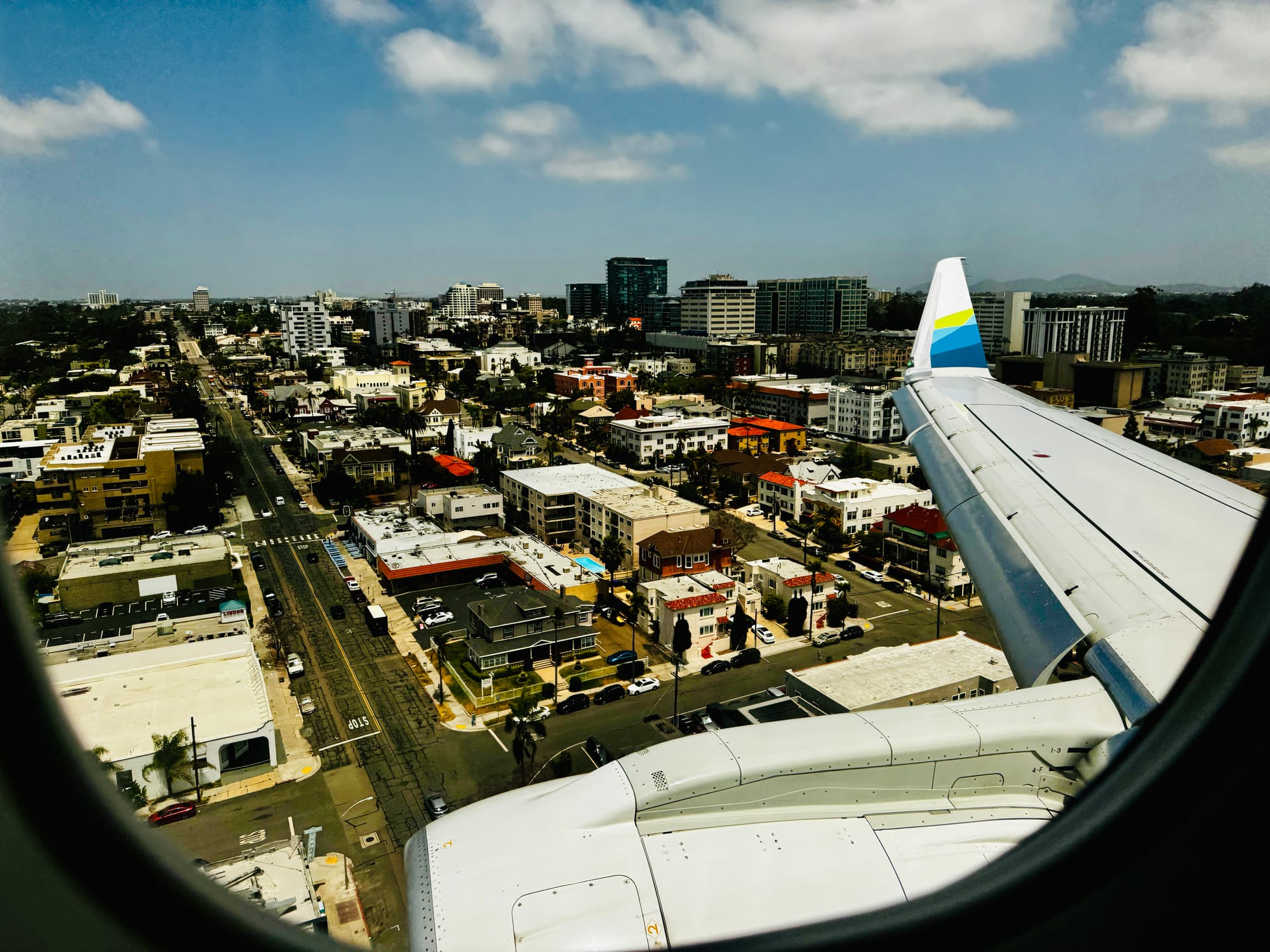
San Diego’s international airport (SAN) is an easy destination with lots of nonstop connections to most major cities. Despite being located in a large metro area, it’s quite close to downtown San Diego, including the hotels you’ll likely stay at. The stadium itself is only about a 20-minute drive away from the airport. San Diego is big on tourism so if you do a quick search for flight deals before you book, you’ll often find discounts from major airlines.
Renting a car or going car-free
Over the years, we’ve flown down many times to San Diego from Oregon, and experienced trips both with a rental car and car-free. Having a car makes it easy to get around the city, head out to nice restaurants, and visit the beach whenever you like. Going car-free means using Uber or Lyft to get to your hotel and the stadium, which can easily cost $20 per short one-way trip. We should also mention the San Diego trolley system that has stops not only at the stadium itself, but outside of many tourist areas along its green line.
Driving in
Southern California is built around the car and it’s fairly easy to get around San Diego in a rental. Keep in mind that beyond the costs of your rental, most hotels charge up to $50/night for parking and the stadium charges around $30 to $40 for a parking spot.
The stadium has huge parking lots all around it and is nestled between two freeway interchanges making travel there fairly straightforward, but it’s kind of in the middle of nowhere compared to hotels and housing, so driving is often the most popular way to get to matches.
Being that it’s a sports venue in California, you’ll often have to sit in 20 to 30 minutes of stop-and-go traffic as you try to jockey your way out of the parking lot and its few exits among thousands of other fans after a match. Whenever we’ve driven in, we’ve taken our time to slowly leave our seats and the stadium, giving time for the traffic snarl to die down before making our way to our car.
Taking public transit
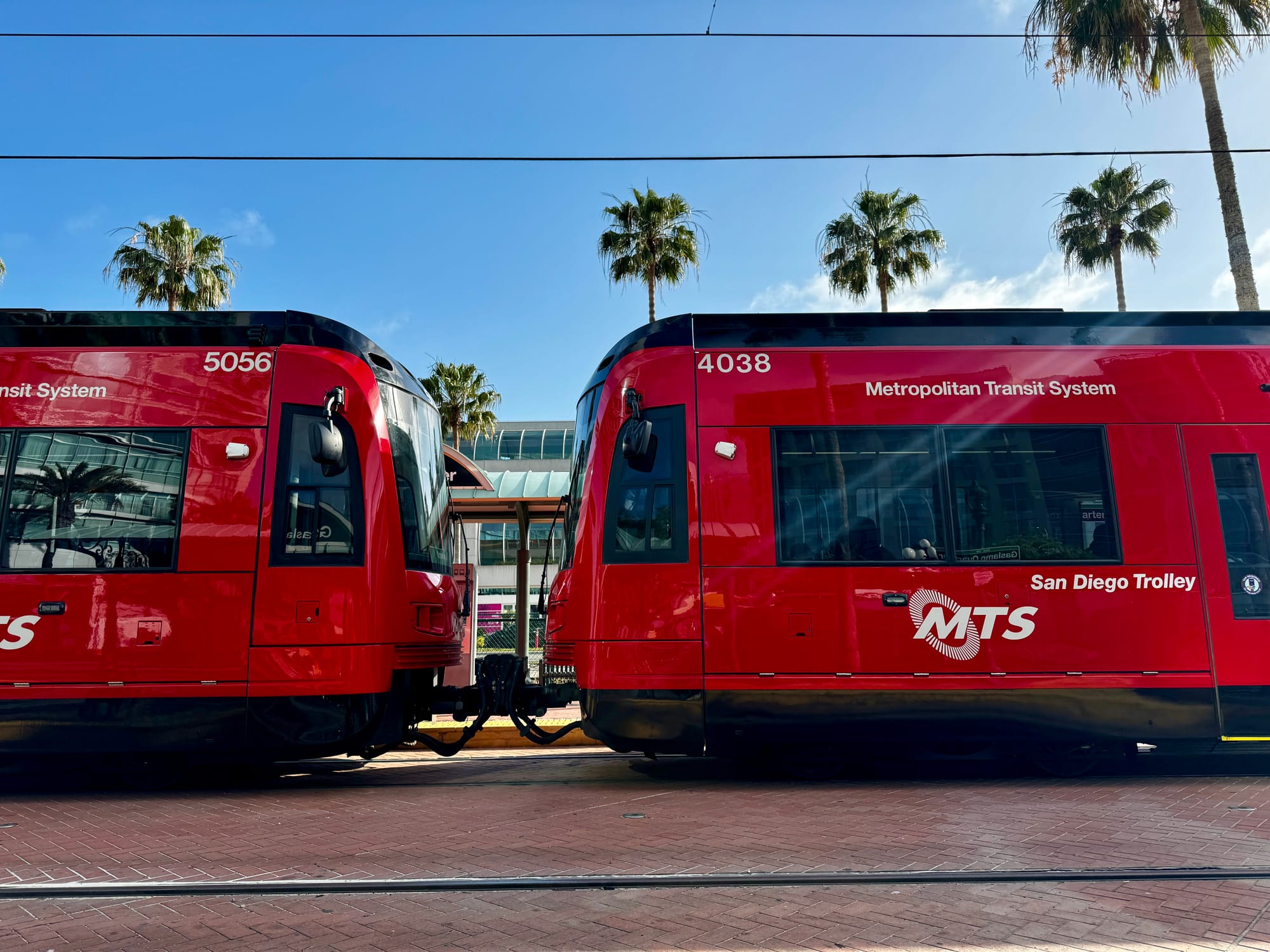
The San Diego MTS trolley system is fairly small, but the Green Line connects Snapdragon Stadium to popular destinations like Old Town San Diego, Little Italy, the Gaslamp Quarter, Seaport Village, and the convention center. Most hotels you’d likely want to stay at are near all those stops, making it a viable alternative to cars to get around.
For 2024, a one-way trip costs $2.50 and you can buy passes on your phone using the system’s Pronto app. An unlimited day pass is only $6, so if you use the trolley for more than a trip to a game, it’s an even cheaper option.
We used the trolley on our last trip to Snapdragon and what we loved most — besides saving money on parking and it costing about a tenth as much as an Uber or Lyft ride — was at the end of the match, the stadium’s station had three empty trains ready to take fans back toward downtown San Diego instantly, with no waiting.
Only a small handful of NWSL venues have light-rail stops offering easy travel to and from games, so it is great to see it at Snapdragon.
Taking the trolley to the game and using it to get back to the Gaslamp Quarter where our hotel was located, was the fastest and easiest exit we’ve ever had leaving a stadium. We walked across the parking lot, jumped on a train along with a few hundred fans, and we were back at our hotel 20 minutes later.
- Trolley is the best option — Green Line connects the stadium to the Gaslamp, Little Italy, and Old Town for $2.50
- Empty trains wait at the stadium stop after every match — fastest stadium exit to public transit we've experienced
- Unlimited day trolley pass is just $6 — buy on your phone via the Pronto app
- Driving: stadium parking is $30–40 and expect 20–30 min of stop-and-go traffic to exit
- Pro tip if driving: wait in your stadium after the match ends — let the traffic snarl die down first
Where to stay
The most popular area of San Diego for hotels, bars, and restaurants is likely the Gaslamp Quarter. But it can be a loud place with lots of revelry and, sometimes, while walking block by block in that area, you canwind up on dodgy streets, especially around the San Diego courthouse. But the times we’ve stayed there we’ve had a good time and it was cool to see many downtown streets closed to car traffic, making walking in the Gaslamp area that much easier.
We’ve found Little Italy (the next neighborhood over from the Gaslamp) to be a bit quieter at night but still with great restaurants and bars around. If you prefer a seaside hotel, there are a handful of hotels closer to Seaport Village right on the bay with views of the water (along with navy ships and aircraft carriers you can tour during the day).
There’s a large cluster of hotels off Interstate 8 a bit farther south, but they’re far from the light-rail line or the places you’d want to go out to dinner so we’d strongly suggest picking a spot closer to the stadium in the Gaslamp Quarter or Little Italy areas of town.
What to do in San Diego (besides watch soccer)
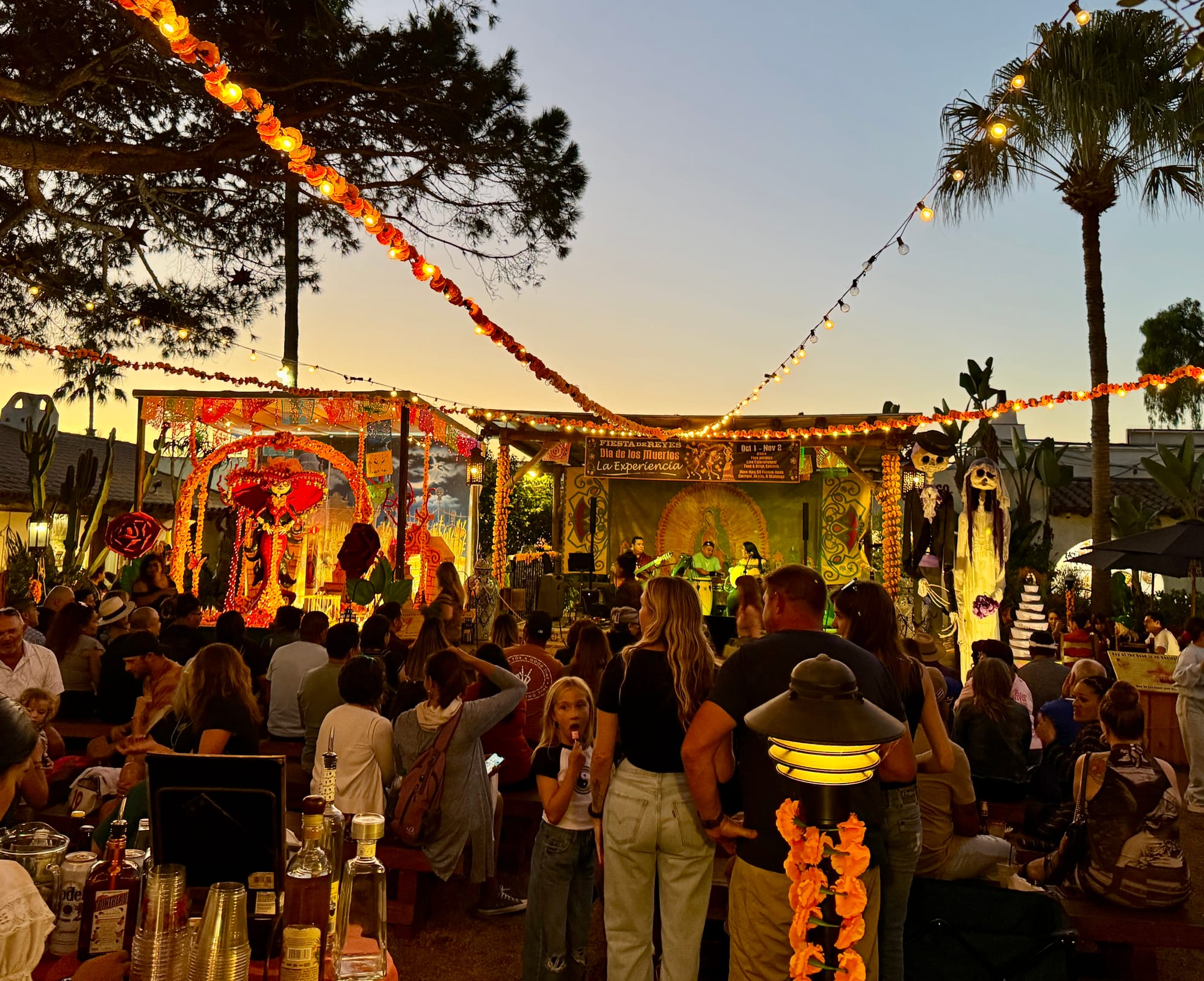
San Diego has no shortage of things to see and do. There are miles of beautiful beaches from Oceanside up north down to the Mexico border, and we especially love spending time around Pacific Beach whenever we have a rental car.
Balboa Park is another great place to visit and offers a slew of museums and shops along with the world-famous San Diego Zoo. Old Town San Diego is a special district filled with shops and restaurants highlighting the people native to the region as well as Mexican culture that was established well before California became a U.S. state in the 1800s.
La Jolla is an upscale beach town a few miles north of San Diego with great restaurants along with sea caves and tidepools you can explore. The Birch Aquarium in Torrey Pines is a great place to spend an afternoon (especially with kids) and ditto for the San Diego Zoo Safari Park located in northern San Diego County. Don’t forget that there’s always Sea World in Mission Bay that can make for a fun family outing.
If you prefer the full luxury oceanfront experience, stay on Coronado Island in the classic Hotel del Coronado, which is nestled right on the coast with its own beach access. Mission Bay is also another great spot to find an affordable hotel right on the water.
If you head out further from San Diego toward the north and east, you’ll find diverse landscapes, including the high-altitude observatory at Palomar Mountain as well as the dry landscape of Anza-Borrego Desert State Park. Both are great places to witness the natural beauty of the region.
- Stay in Little Italy or the Gaslamp Quarter — both are on the trolley line and walkable to great food
- Balboa Park has the San Diego Zoo plus a dozen museums — worth a half day minimum
- La Jolla has sea caves, tidepools, and excellent restaurants — rent a car and spend an afternoon
- Old Town San Diego is a great post-game spot for Mexican food and margaritas
- Coronado Island and the Hotel del Coronado are worth a visit even if you're not staying there
- Miles of beaches from Pacific Beach north to Oceanside — bring a swimsuit no matter when you visit
We’ve spent a lot of time in San Diego growing up as kids and we’ve spent the past couple decades taking annual trips there to visit family. If you were to spend a weekend in San Diego catching a game, there’s plenty to see and do without needing to go very far. If it’s your first time in the region, rent a car and explore all it has to offer. If you’re familiar with San Diego, you can’t go wrong staying near a light-rail stop and venturing out in neighborhoods with great food and shops, then jumping on a train to and from your match at Snapdragon Stadium.